Frequently asked questions

QRIDA has developed a wide range of frequently asked questions to help you find the answer you need. View them here.

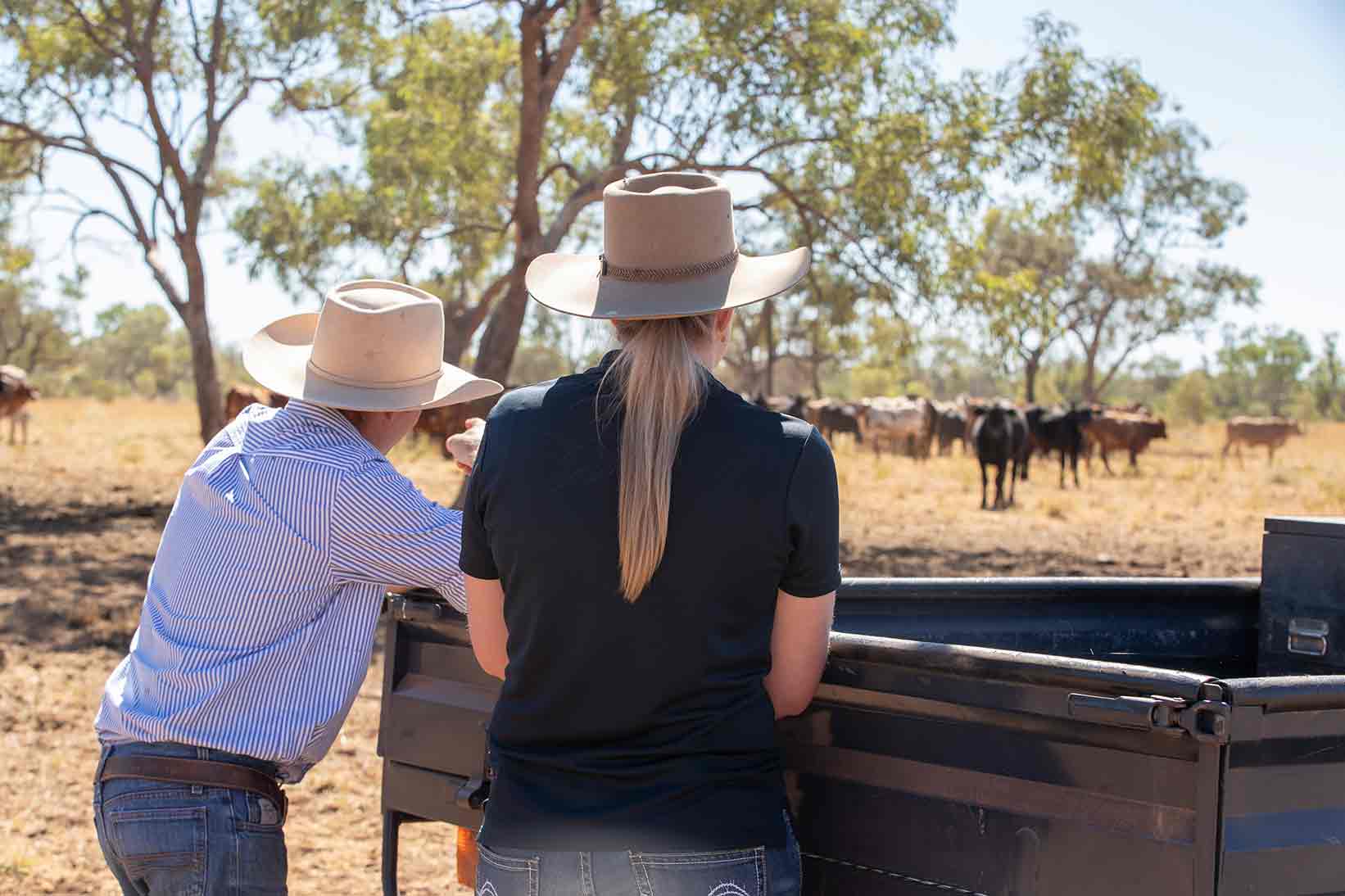
Two people stood in field. Cattle in background.

View FAQS for QRIDA programs and services here.

  • Primary producer means:

    • a sole trader who spends the majority of their labour on, and derives the majority of their income from a primary production enterprise; or
    • in relation to a partnership, company or trust that carries on a primary production enterprise, the partners in the partnership, shareholders in the company or beneficiaries of the trust who spend the majority of their labour on, and derive the majority of their income from, the primary production enterprise. 
  • No, reduced profit is not an eligible purpose under the Disaster Assistance Loan. 

  • Yes, the cashflow budget template provided by QRIDA is not mandatory. If you have your own cashflow budget template then you are able to provide this to QRIDA as part of your loan application. However, please note that an itemised monthly cashflow is required for all applications, preferably in a financial year (July to June) format.

  • Exceptional Disaster Assistance Loans, Disaster Assistance Loans or Extraordinary Bushfire Assistance Loans are available to the primary production business entity and not to each farm making up the business.

  • A Disaster Assistance Loan of up to $250,000 is available to assist primary production businesses who have experienced direct damage as a result of the disaster event. This loan can be utilised to fund repair and reinstatement costs for your business, and to meet normal operating expenses that the business is unable to meet due to the impact of the disaster event (e.g. lease payments, property rates, creditors).

    An Essential Working Capital (EWC) Loan of up to $100,000 is available to assist primary production businesses who have not experienced direct damage as a result of the disaster event but have experienced a negative impact on their normal business cashflow and are consequently unable to meet normal operating expenses (e.g. lease payments, property rates, wages, creditors). For example, a primary production businesses may be eligible for an EWC Loan if their farms were not physically impacted by the disaster event however the business suffered a significant loss of income throughout the disaster period. The business may not be able to meet normal operating expenses within its existing credit limits. These requirements over and above your existing credit limits can be met by the EWC loan.

  • QRIDA assesses applications based on the future viability of the business with the assistance provided. Security is the second consideration. Preferably security is available over landed assets, however, security over other business assets may be acceptable.

  • Call QRIDA on 1800 623 946 for assistance with your loan application. Alternatively, your accountant, bank or financial or business advisor may also be able to assist with your application also.

  • In order to give you the best chance of success, QRIDA needs to understand the historical performance of your business, your current position and your plan moving forward. Without this information, QRIDA would be unable to determine the level of assistance you need and your prospects of returning to a viable business with the assistance provided. 

  • QRIDA is committed to ensuring due administrative processes are undertaken with the decisioning of applications for Government assistance.

    When making decisions on applications, as well as the internal review of a decision, QRIDA follows the QRIDA Decision-Making Policy and Procedure.

    You can view this Policy and Procedure on the Reviewing a decision page.

  • Please contact QRIDA regarding any mistakes on loan documentation sent via DocuSign and QRIDA will rectify and re-issue the documents to you.  

  • The Disaster Assistance Loan (DAL) offers up to $250,000 for small businesses and $100,000 for non-profits that have experienced direct physical damage as a result of a disaster, covering repairs costs and essential operating expenses they are unable to meet.

    The Essential Working Capital (EWC) Loan offers up to $100,000 for businesses and non-profits that did not suffer direct damage but are experiencing a severe negative impact on their normal cash flow – such as significant loss of income – rendering them unable to meet their essential operating expenses.

Last updated: 04 June 2024